






全面服务,让品牌更具竞争力
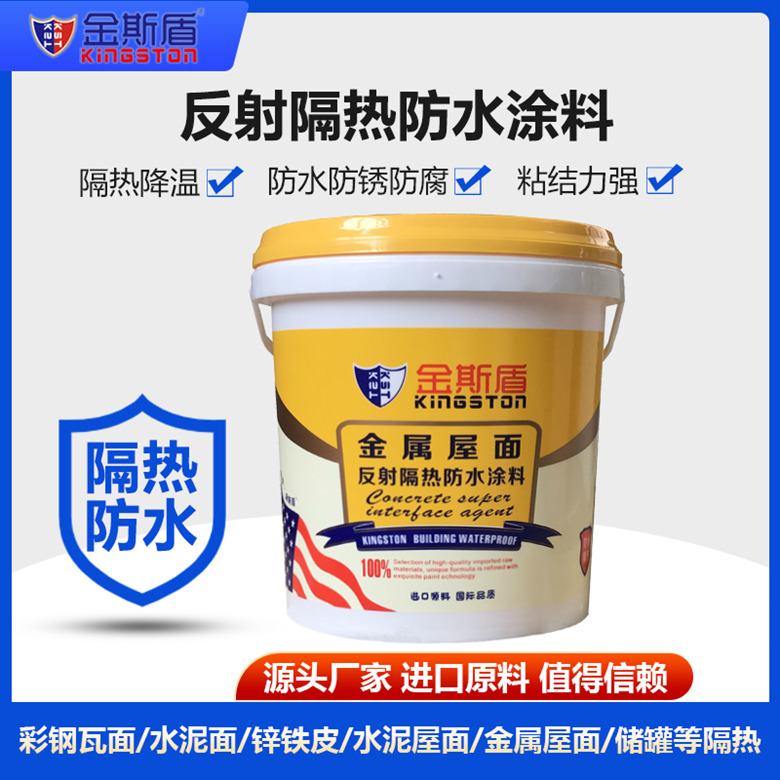
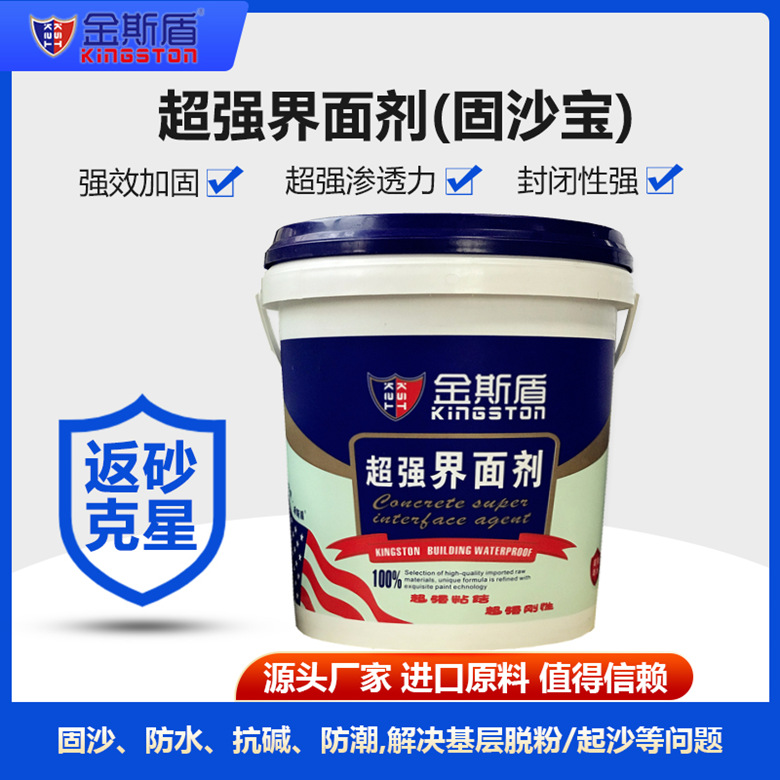
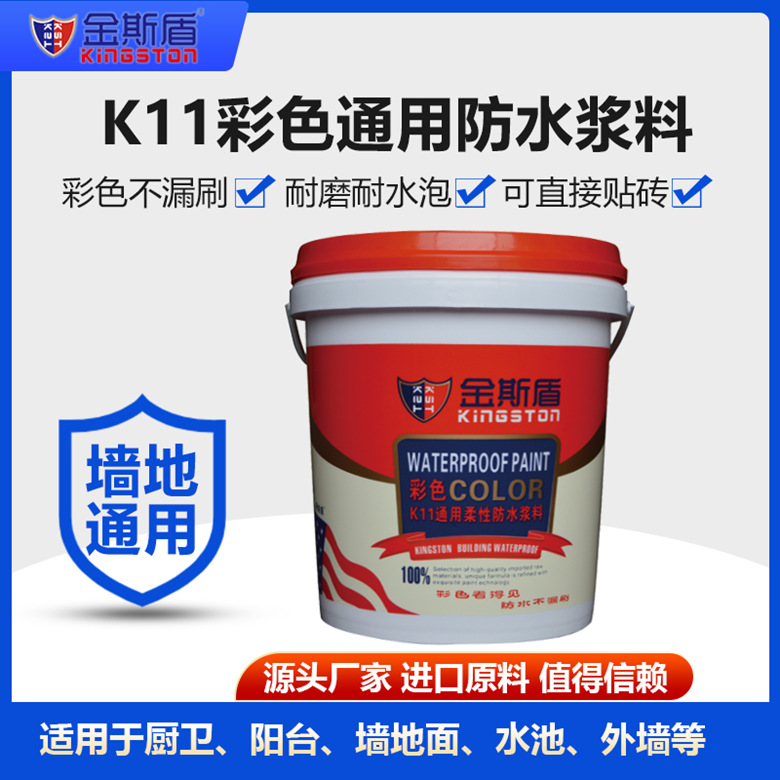
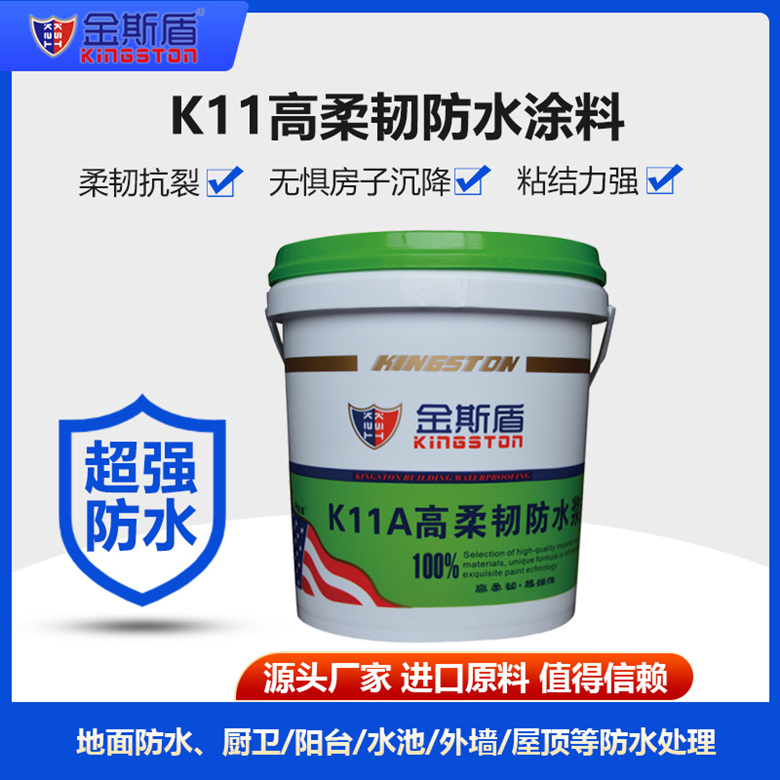
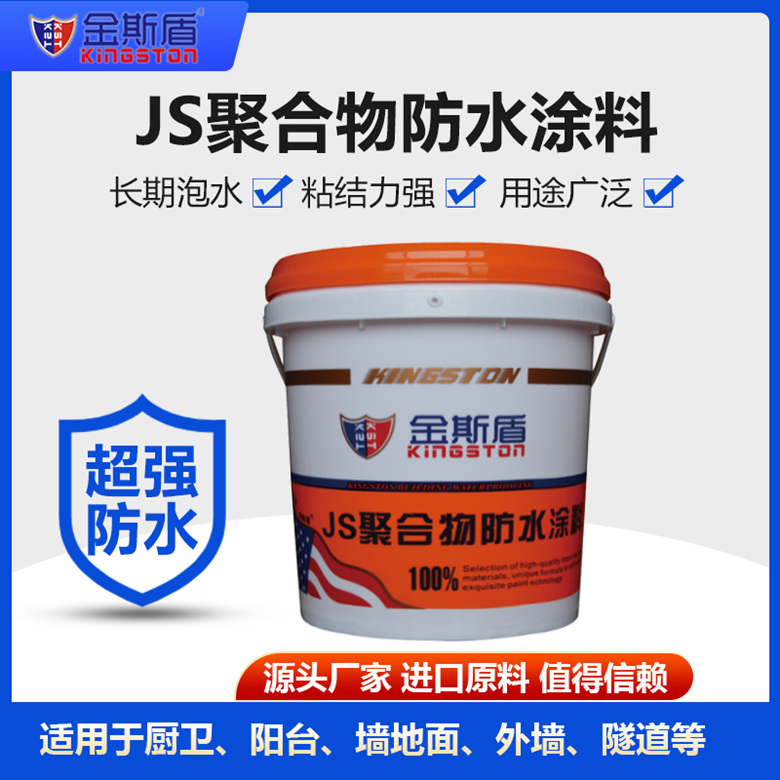
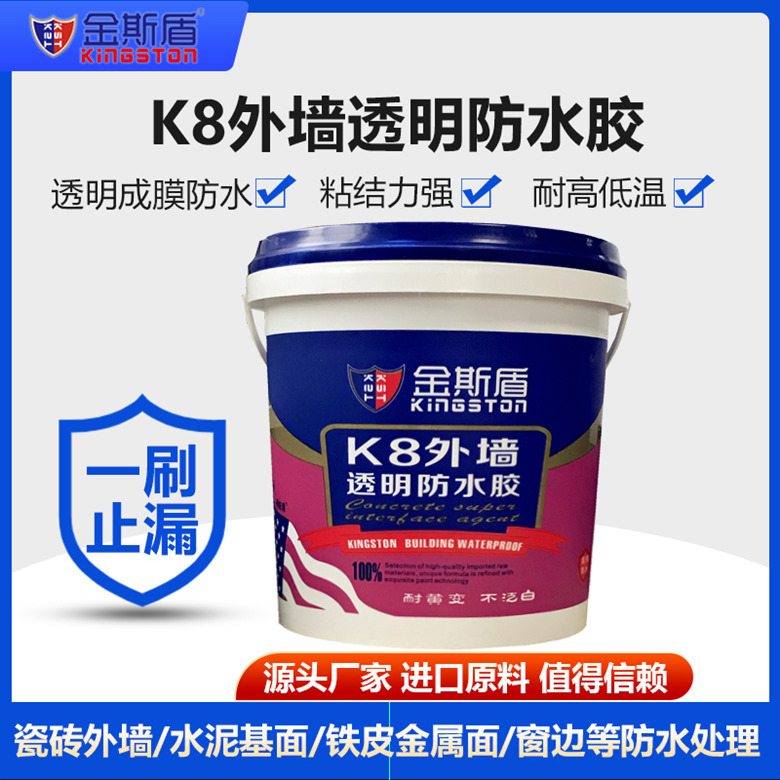
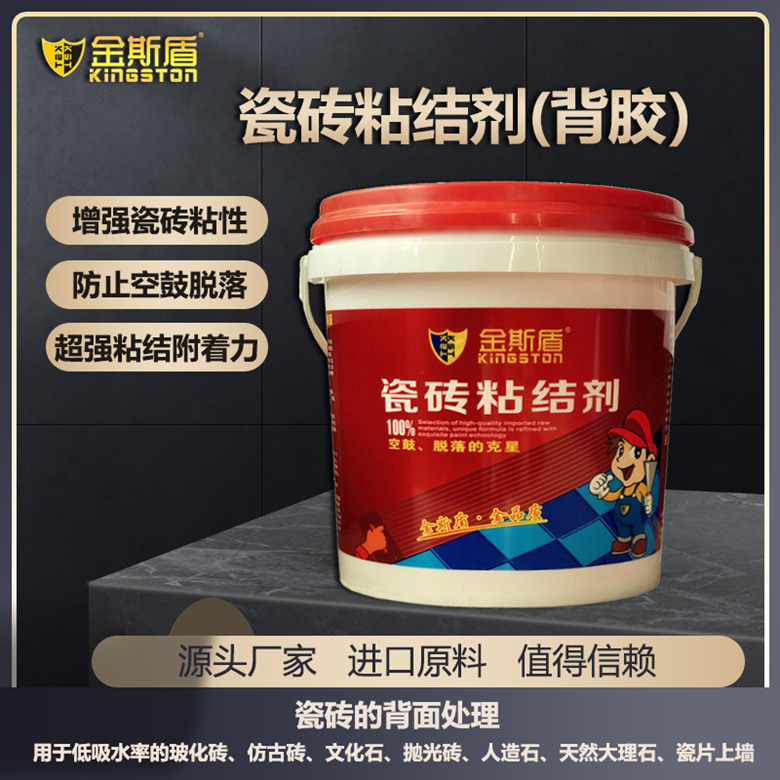
哪里没有房子?哪里不需做防水?
防水材料,每家每户必用的装修材料
防水行业,有多少建筑,就有多少利润
金斯盾防水,蕴藏大商机 前景好=钱景好-
18.97亿
防水材料总产量达18.97亿平方米,增长率约为 6.9% -
20亿
总产量达20亿平方米,再增长6%左右 -
2000万元
收入达2000万元规模以上的企业500多家 -
550万吨
需求量将突破550万吨,市场规模将达到640亿元
防水材料行业发展前景良好,将迎来鼎盛时期。供房需求的增加和工程领域的规范化将进一步加速我国防水材料行业的发展。你准备好了吗
强势吸金,掀起财富狂潮
-

品牌优势
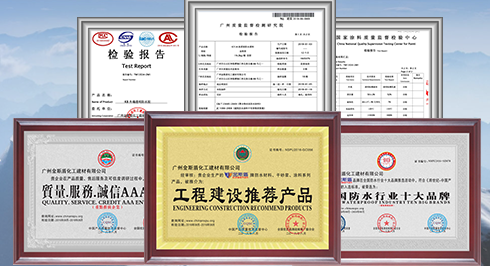
金斯盾自创办以来以“起点高,高品质,规格大,设备精,管理严”作为立企之本,先后获得多项殊荣。
-
质量优势
公司技术力量雄厚,产品设计先进、工艺成熟,严格把控质量体系,所采用的核心原料均来自国际知名的供应商。
-
产品齐全
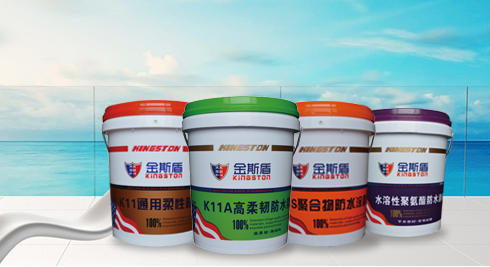
公司产品系列齐全,涵盖家装和工程防水系列,防水涂料、干粉砂浆、家装辅材、补漏材料等。并成为中国市场的优质品牌。
-

高效服务
金斯盾防水秉承“至零方休”服务理念:零加盟费、零保证金、防水材料零不良、服务零投诉,免除代理商后顾之忧。
加盟金斯盾八大支持
助你快速地在本地建材防水材料行业中突围而出、百战百胜、赚大钱!!抢尽先机!
-
 Development market support
开发市场支持
-
 Store subsidy, advertising subsidy
门店补助、广告补助
-
 Promotion meeting support
推广会议支持
-
 Full range of material support
全系列物料支持
-
 Technical guidance training
技术指导培训
-
 Promotion support
促销支持
-
 Year-end sales rebate
年终销量返利
-
 Freight subsidy
运费补贴
新闻中心
企业新闻 +
-

金龙起舞,金斯盾2024开工大吉!!!
查看详情 -
卫生间防水怎么做?5步打造滴水不漏的家居环境
-
天沟防水为什么推荐使用金斯盾红橡胶?
-
“屋顶漏水”该如何补救?教你一招,刷上即防水,省时又省力!
常见防水问答 +
-
-
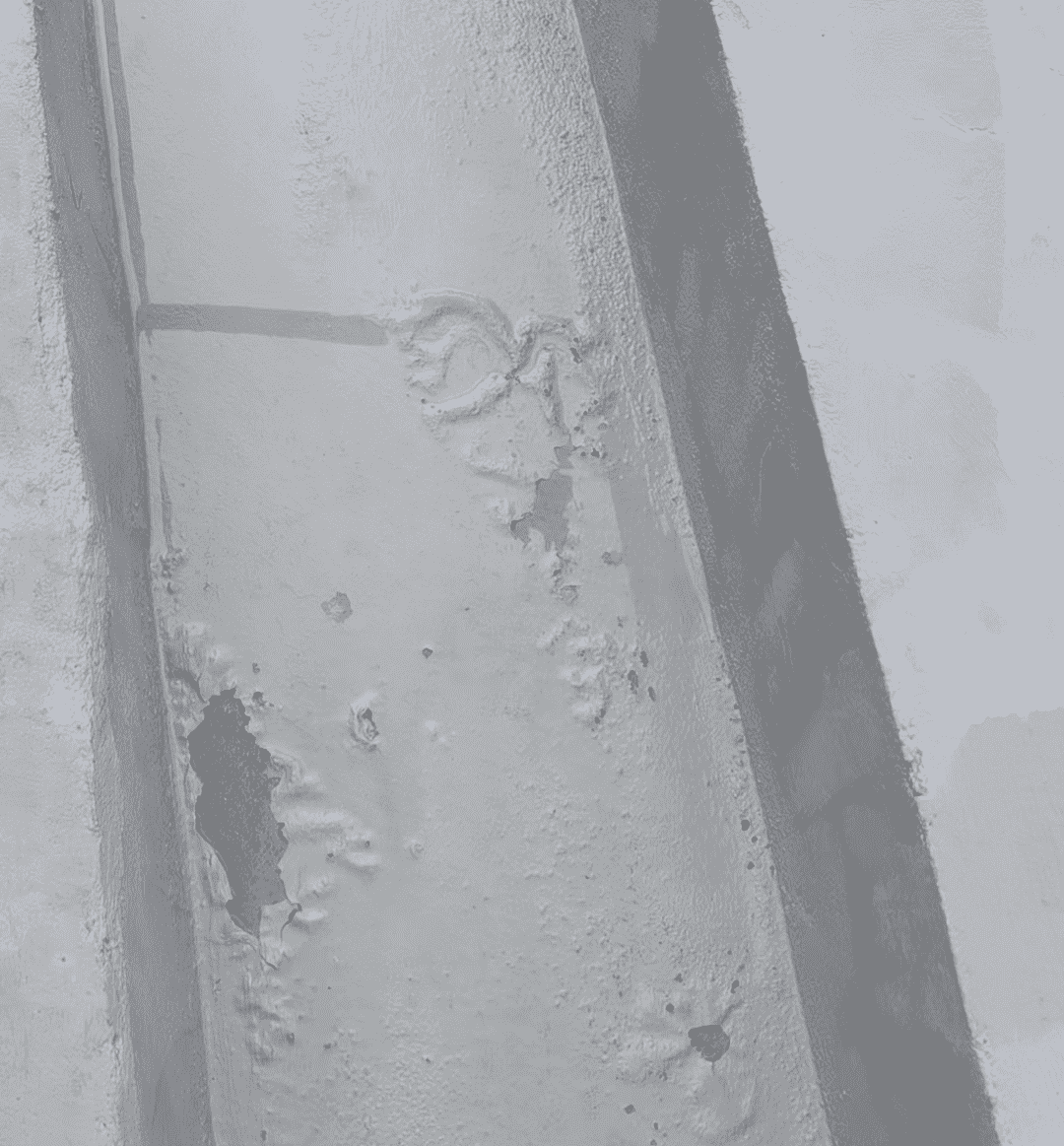
防水层起泡,罪魁祸首竟是他!!!
防水在家庭装修中是极其关键的环节,别看他在整体装修中占的体量小,做的好,几十年没烦恼,做不好,一旦发现漏水,有可能要全部铲掉重新涂刷,不仅浪费时间,还要花不少冤枉钱,是件非常麻烦的事,所以在做防水施工时,工艺一定要规范,施工要细致!
-
冬季堵漏王干燥时间慢怎么办?
-
墙面掉砖原因分析!!!
1、瓷砖背面的脱模剂没有处理干净,直接上墙。 2.墙体基层强度不行,用手指都能划出一道印,起砂很严重。这种基层贴砖是根本贴不住的。 3.防水材料用错,墙地面材料没有区分,地面适合用柔性防水,墙面要用钢性防水。墙面如果用柔性防水,用再好的贴砖材料都容易掉砖 4.防水层刷完之后没有过养护期,硬度还没上来就直接贴砖。
-
卫生间,屋顶渗漏,大多是防水没做到位
经过几场台风,相信很多住顶楼的小伙伴家中都出现或多或少的漏水情况,出现这个情况的原因无非就是屋顶防水没有做到位或者原来的防水层已经老化了。想要解决外面下大雨,屋内下小雨的情况并不难,接下来金斯盾小编就跟大家一起来探讨屋面防水要怎么做?
-
闭水试验怎么做?闭水试验多长时间合适?
卫生间闭水试验是检测防水的一个重要环节,特别是卫生间装修最重要的就是卫生间防水,而闭水试验就很有存在的必要了,那么闭水试验多长时间合适呢?下面金斯盾防水小编为您带来答案!
-
夏季防水涂料的施工秘籍,让你家远离水患!
夏季是一个多雨的季节,雨水会对房屋和建筑物造成一定的侵蚀和损害。因此,在夏季进行防水涂料施工是非常重要的。今天金斯盾小编就给大家详细介绍夏季防水涂料施工的注意事项,帮助您打造一个更加健康,舒适和安全的家居环境。
-
墙固什么时候刷比较好?
在装修过程中,很多装修公司会给墙面刷上一层墙固,这样可以起到封闭基层,预防后期基面起砂。那什么时候开始刷墙固是最合适的时机呢?今天金斯盾小编就带大家来了解一下!
-
瓷砖脱膜剂居然是引起掉砖的隐形元凶,贴砖前一定在清理干净!
在瓷砖铺贴工艺里,砖背脱模剂的清理是一道必不可少的环节,但是很多师傅以为用了瓷砖胶和背胶就可以一劳永逸了,殊不知这一环节的缺失,往往会造成瓷砖成片空鼓脱落。下面就来详细了解一下瓷砖脱模剂
-
卫生间是先找平还是先做防水?
卫生间防水是先找平还是先做防水呢?
-
防水涂料施工10大常见问题解答
施工防水后出现防水起皮空鼓?出现气孔?出现掉砂?出现流挂?施工后防水涂层开裂?沉淀现象?发白、犯碱、色变?
无忧致富好项目,轻松赚钱挡不住,先下手才能先致富!绝好商机现在加盟!
加盟申请
留言免费获取详细加盟资料